Friday, February 15, 2008
2008 spring semester


Sunday, November 04, 2007
campground管理員的來信

離9/1Labor Day vacation 居然已經兩個月了=.=
那是這學期剛開學一個多禮拜左右的三天假期, 一開學時安琪就提了要去玩水行程, 但大家似乎沒有很認真的安排. 一直到了前兩天吧, 小屏忽然發現, 據說有個什麼藍色紫色很特殊的流星雨, 會在三天假期一開始的那個半夜出現. 我跟Ruby一向就在等著有什麼好機會去Grand Canyon, 一聽之下, 覺得如果可以去那裡看流星, 那就太完美了! 不過, 多數的人原來是打算要去另外一個地方玩水的, 究竟要去哪一個行程, 形成了一種拉鋸戰-.-
沒想到在出發的當天下午, 沒錯就是當天下午, 我竟然以 "為小屏按摩" 的這種條件, 爭取到她開著她的馬呆載著我們這一車的人去Grand Canyon, oh...一點都沒有想到原來這樣的條件會成功, 當然也很高興Judy也要跟我們一起去耶, 而且而且, 我們還決定要露營, 打電話去問露營的費用, 結果發現都只需要幾十元這樣的價格, 真是令人興奮啊:D
於是就開始在門口曬起了據說是兩年以前用過還沒清理的帳棚, 住在隔壁的社區管理員還一直來笑我們說我們是要在家裡露營是嗎, 然後我們又趕緊列了要買的東西查了要怎麼開去, 本來以為要開六個小時, 一查怎麼只要開三個小時, 很開心想說很早就會到了不會弄到半夜, 沒想到這一切的緊緊張張最後居然摸到了十點終於出發了~~~
途中自然發生了很多很好玩的事情, 啊啊, 不過今天沒空寫這麼多. 哈, 放張我們看完流星以後在廁所鏡子前的合照好了~~
oh...在兩個月以後忽然卯起來寫這一段又這樣虎頭蛇尾, 究竟是為什麼呢? 哈, 是因為我們在露營營區認識的管理員, 今天居然寄信來給大家, 裡面有著他幫大家照的合照, 還有他自己在營區照的許多動物的照片. 一時實在太開心了, 忍不住上來胡亂的寫東西. 下面就是管理員為我們大家的合照囉~~~至於為什麼是那樣的手勢, 因為那個手勢代表了我們學校ASU(arizona state university). 好像是年輕人玩的玩意對吧, 沒錯, 那個管理員是university of arizona畢業的校友, 一直嗆聲我們的足球隊, 我們就熱起來地還給他一點顏色看看-.- (ㄟ 為什麼Judy的表情弱掉了啊!)
Friday, October 26, 2007
學生掉下了眼淚
學生來早了幾分鐘, 看起來心情還蠻平靜的, 只是眼中透露一點小小的憂傷和擔心. 我請她先說說她對於評分表上面各項說明的理解, 聽了以後覺得沒什麼大問題. 接著就問她對評分最大的疑惑在哪裡, 她指出她拿最低分的那一欄, 說她沒辦法了解.
我拿出了用螢光筆標記的essay, 開始一點一點跟她說明, 她一路都有跟上, 最後也表示她了解了. 我最後問了她, 是否還有任何不理解的或疑惑的, 都可以提出來討論, 她說沒有, 都了解, 但就在這時, 她的眼框忽然就紅了, 哭了出來. 赫~~~
她說, 她的Scholarship可能會被取消, 不知道自己該怎麼辦.
原來, 她真正擔心的, 是怕這門課最後沒有能夠拿到A, 哪怕是A-也可以, 維持A是獎學金必要的條件.
她講完以後, 我終於恍然大悟為什麼她的情緒在昨天課堂一開始的時候會那麼激動.
這個小孩真的很勇敢, 忍不住哭出來以後馬上就收拾了情緒繼續跟我說話. 我禁不住謝謝她昨天在課堂上, 心裡雖然承受了這樣的壓力, 但跟我約好時間以後, 就回座位還是保持心情平靜並且認真的和小組一起專心的開始討論, 完成課堂上要進行的活動, 這是很困難的事情. 她聽完了我的話心情似乎平靜了許多還露出了一點笑容.
這個學生一向在課堂都很認真, 其他的小作業也都還有不錯的表現, 這次作業會拿到B-我判斷只是她沒抓到重點. 我開始跟她說, 這個作業沒有A不見得最後不會有A, 我們可以在第二個大作業上面, 一起努力做更多的準備工作, 甚至一開始就跟一起確認評分的要求, 最後並提示她如何在第二份作業的時候注意要改進她在第一份作業沒有做到的缺失. 她一路都很認真的聽著, 並且自己很快就體悟了下一份可以在哪裡改進, 也表示自己在第二份草稿寫出來的時候, 希望我可以幫忙調整. 第二份作業是要去觀察課程教學做評析, 我們也談了一下她要去觀察的是怎麼樣的課堂, 做什麼準備或許會讓她的觀察更好.
我的確很希望能夠幫她保住她的獎學金. 我說, 我當然不可能可以直接保證她最後拿到A, 這對她來說也很不公平, 她非常同意且了解的點點頭. 但我告訴她, 我們可以一起很努力的讓這件事情成功, 根據我對她在課堂上的學習觀察, 我有信心我們可以一起克服的.
講完了這些以後, 學生終於看起來比較穩定一些, 對於我的提議還有接下來要做的努力, 有了比較明確的方向. 這個meeting最後就在這樣參雜著可預期的需要的努力以及對成功的期望的氣氛中結束.
我走在回家了路上, 稍微計算了一下她現在的處境, 心理想, 哇, 拿到A不是不可能, 但是真的要很努力的保證第二份作業的品質以及期末考的成績咧! 我得要好好努力才行了~
學生來要成績
這位女同學在我即將要開始上課的時候, 拿著報告走到我面前, 披頭就說她認為這個分數不合理, 而且那個評分的表她一點都不懂那是在評什麼, 臉色和口氣都很緊繃, 我問她是否要下課的時候討論, 她很快的說不行一定要現在, 她下課要去找媽媽不曉得要幹麻. 我這時真是一驚, 心想難道妳要跟我翻臉嗎? 而且我們兩個站在教室的前面, 所有的人都看到我們在講話.
還好這時候我隨即鎮定了下來, 想到美國人往往就是那麼的直接, 或許她並不是硬要我馬上回答, 只是希望有一個滿意的答覆. 於是我就和緩的說, 我覺得可能是因為我們對於這份作業期待的標準和她的想像之間有了誤會, 這門課又設定了一些跟其他門課不一樣的要求, 我希望可以聽聽她的想法, 這不是幾句話就可以解決的, 所以可不可以找其他時間. 例如明天.
我一說完馬上果然這位小姐的臉就放鬆了下來, 然後說, 要不然下週二要上課之前也可以, 我就說, 我想這對她來說很重要, 明天吧, 後來我們就約定了時間. 她就笑笑的走了, 上課的時候看起來心情也很穩定.
雖然當場的處理挺順利的, 但過了這一關以後, 我一整天都過得揣揣不安, 因為我著時覺得我明天好像得要花很多的力氣去說服一個小孩為什麼她表現不好. 會不會我誤會了她的意思, 她的作文真的寫得不錯呢, 會不會......很多的疑問在我的心理.
到了晚上, 我實在沒辦法繼續這樣想下去了, 覺得要想個辦法讓這件事情比較有建設性一點, 我也不喜歡去一一指出學生到底怎麼樣誤會了我們的評分標準並且判刑一般的說, 嘿, 妳的作文就是只有83分的水準啦. 通常這樣的結果都是學生極力的辯駁並且是直接針對妳當場說的話的弱點加以攻擊, 完全失去了理性的討論.
最後我想到的辦法是, 我決定一開始就跟她說, 我想聽她的想法, 讓她一一的解釋給我聽那些評分表上針對各個不同面向可以得幾分的說明, 然後告訴我她的作文哪些對應到了那些部分. 然後當然我自己也得重新仔細的再讀一下她的作文, 看如果到時候她想要爭取分數的時候, 哪個面向或許是我當時很嚴厲但是或許可以妥協, 或許可以給她加分的.
想到了這樣的策略以後, 我心理就好多了, 終於可以安心一點的去睡覺, 明天, 再看看效果怎麼樣.
Wednesday, October 24, 2007
改作業給成績
還是很不喜歡改作業.
的確, 誰喜歡改作業呢?
本質上就有著讓人不喜歡的一種勞役感.
今天拿起上週學生寫的作文改著改著的時候,
忽然像是想通了一樣的發現,
我這麼不喜歡改作業的原因,
最主要的是, 最後要給分數,
雖然我也會在學生的作文紙上寫上很多的建議,
提供學生下次改進的方向,
但是給分數的這個動作讓我覺得沒趣!
當我從學生的作文裡面發現他沒搞懂課程內容的時候,
其實我很想做的是跟學生有機會討論搞懂, 這是活的正在發展進行的,
打分數卻是對一個死的既定的東西判刑,
為什麼要去評斷一個人還沒有學習得很好準備的很好這件事情呢?
另外一個我覺得或許會讓我不舒服的地方,
是如果學生的作業透露出他的確沒搞懂,
總覺得與老師教得好不好有很大的關聯.
從這個角度來看,
給分數就更加的詭異了.
我的老師有一個理論,
認為如果不給分數,
學生基本上並不會去看妳寫在作業紙上的建議,
因為他們往往會認為自己就是她們想的那樣好.
那個......美國人的確有這樣的傾向....但我還是不喜歡給分數.
Monday, October 01, 2007
2007 Birthday

生日那天吃完飯
跟大寶散完涼爽的步後
他們說要去吃晚餐肚子很餓了
正趕他們去吃飯的時候
姿憓忽然說, 有個問題要問我
可是講完這句話以後, 她又記不起她的問題在那兒呆然的想著
思索片刻後 姿憓忽然想起來的說
她跟老師實在處得太差了需要一份新工作
為了問這個問題
她居然整個人擠往旁邊公寓的外牆擋住了我原本往前走的回家的路
我心裡疑惑, 喝, 我一定會停下來的嘛, 動作真大呀.
這時候, 站在旁邊的大寶, 早就往家門口小跑步走去
我跟姿憓兩人聊了一下, 感覺沒甚麼具體建設性的意見
我就趕他們去吃飯了
一個人走回家的時候 心裡弧疑著這些人, 包括吃完飯一直留在家裡的的Judy和Brook可能在搞什麼鬼吧, anyway, 說不定等一下會吃到個生日蛋糕什麼的吧, 我想.
但我還來不及想什麼的時候,
赫 在那閃亮的桌子以及門中間, 怎麼有三個長得很怪的臉的人在那裡手足舞蹈著
ㄟ 怎麼是我自己
往左一點再看第二張
嚇 也是我
在左一點看第三張 又是我
三個手腳煞也靈活的動來動去還唱著歌
驚嚇之中不管我從第一個看到第二個看到第三個想要看出這是什麼或是隨意的選定一個來看,
阿, 通通都是我那平面的臉以及僵硬的笑容可掬,
我就站在門口手足無措的聽著三個奇怪的自己唱起了生日歌,
這時候姿憓和Tom也忽然從我身後出現,
加入了鼓掌以及唱歌的行列.
手足舞蹈結束以後, 措手不及的我就帶著驚魂未定的心情走進了家門,
坐在我的蛋糕前開始進行生日的其他正常儀式(例如許願啦 吹蠟燭啦 以及吃蛋糕),
那些臉實在是太驚悚又好笑了.

吃完了以後,
終於大家都比較平靜下來, 講了許多剛剛亂七八糟設計的橋段, 包括我在家裡等三個人說要回來吃飯等太太無聊, 走出去停車場卻撞見三個人不曉得為什麼一齊出現在停車場, 也排排坐的在沙發上照了通通是文婷的合照, 後來吃完蛋糕以後, 不曉得是誰忽然很興奮的說, 要拍那種全家都是文婷的全家福.
於是, 就搬來了兩張椅子, 當成我們去相館照那種或坐或站全家福照, 笑死了,
結果我就一直笑一直笑很難對相機做好表情,
她們其他三個人可得意了,
說因為她們的臉就是我那固定的臉, 要怎麼笑都沒關係,可以盡情的笑很醜也可以-.-


玩了一整個晚上以後, 大家回到自己的書桌前面, 都沒辦法再唸下任何書, 最後只好放棄的早早去睡了.

Monday, July 30, 2007
宣判日

日期定了買了票以後
才發現出遊的第二天週五是蘇案宣判的日子
宣判的前兩天在濟南教會有靜走和音樂會活動
宣判的當天 大家要陪他們從台北濟南教會走到法院聽判決結果
我在出發往高雄的前一天
參加了第一天的靜走
當天集合前
天空還有些小雨滴在滴著
但走著走著雨也就歇了 透些亮亮的天光
我走完騎車回家的時候看到乾淨的月亮那樣晾在天上
涼涼的風
覺得一切都很好
總忍不住感覺 有著好預兆那樣
是那種知道會 go through 但因為大結局的時間未到
還是有點緊張的心情
再次無罪的審判會成為蘇案的一個句點也成為一種開展
大夥甚至說好了週末要開開心心地的來吃吃喝喝聊天
週五早上跟小美小曹吃完早餐以後
小美就出門了
小曹和我兩個人守在電視旁邊等待無罪的宣判
並且很開心等一下要去逛街
等著等著
我看到一個主播的下方
出現了這些字眼: 死刑 褫奪公權 當庭羈押
我當時第一個反應是: 這是在說以前曾經有過的宣判吧
但大概就在一秒鐘之後主播說話了
媽呀 這就是宣判的結果??
完全是在一種不可置信的狀態下持續了不知道多久
然後螢幕出現蘇友辰跟其他律師們反穿著律師袍抗議判決
許文彬律師唸著律師團的聲明
蘇友辰律師悲憤的哭著大喊 : 司法改革 改革個屁!
然後看到建和和秉郎以及建和的媽媽
陪他們走到法院的大家把手中的玫瑰花舖在法院前的階梯
平反大隊宣布要繼續營救
......
這 實在太扯
( 註: 蘇建和三人當天並未被當庭羈押 新聞應是根據過去慣例 被告罪行成立即會當庭羈押 因而打出當庭羈押四字)
我的2007暑假 序
 啊? 我在哪?... 我在照相-.-
每一次睡太晚起床後
往往會感覺那一整天好像已經失掉了一些先機
剩下的時間變得難以再有建設性起來
嚴格說起來
尤其是在台灣家裡
這樣的感覺特別明顯
也常常會不管早起晚起總之下午也再度睡上個欲振乏力的午覺或是晚餐前覺等等
其實真的有那麼想睡嗎
醒著也OK的吧!
這次回台灣
於是變成一隻勤奮的小蜜蜂
總之只要一醒來
就騎著車出發去
出發去哪裡再說
氣勢比較重要
淑美說
我這次回去遇到好多大事
認真想起來
多倒是不至於
但事情大條的也夠大條了
一些子有的沒的家家戶戶都應該要知道的也跟上了
為了論文鋪路的前測匍伏有點混亂的前進了一點
交織著的吃喝玩樂堪稱滿意
Thursday, May 17, 2007
volver by Almodóvar
 女性朋友們就那樣不認為自己需要知道誰死掉或發生甚麼事情的
幫她把那個裝了企圖強暴她女兒最後被女兒殺死的老公屍體的冰櫃搬上車
其中一個人甚至接受了酬勞以及這特殊的信任幫忙埋藏了冰櫃在那已死之人最愛的河畔
熟睡在床的一對情人他強暴了自己的女兒她則不是他的老婆
知情了自己女兒被強暴的妻子在這個風狂大的夜裡放火燒了床上的兩人
這不為外人所知的隱情包括了強暴與偷情搭配上終年刮的強風
最後的結局是有人以為死的是自己的父母有人以為自己的母親在那個夜裡離家失蹤
死亡是生命眾相中的一鮮少驚動人們
偶爾會被提及的是男人命短
Monday, April 16, 2007
book review: the public assault on america's children
 Polakow, Valerie (Ed.). (2000). The Public Assault on
$ 54.00 (hardcover) ISBN 0-8077-2984-7
$ 23.95 (paperback) ISBN 0-8077-3983-9
In The Public Assault on America’s Children: Poverty, Violence and Juvenile Injustice, the editor and contributors discuss what a violent society against children has been gradually formed through the social policies and political discourses during the 1990s and what this means for children who grows up in such society. Several forms of violence against children– the violence of poverty and homelessness, the violence of environmentally induced childhood diseases, the news media and legislative criminalization of children, and the more and more incarceration of youth offenders or trouble makers – are marked in the book. By examining these violent factors and their implications, the book successfully delineates how the way a society treats people and its consequences could make a vicious circle, and what might be the key to stop it.
The main body of this book includes three parts. Part I, “Poverty, Violence, and the Lived Realities of Children” has four chapters. The contributors here give discussions of what ideologies and philosophies historically inherent in American society and underlying contemporary social policies and discourses regarding poverty, single mother and children make the
In chapter one, “A Crucible of Contradictions: Historical Roots of Violence Against Children in the United States,” the author Barbara Finkelstein discuss those “honored” religious, political, and socioeconomic traditions in the American society regarding the justice of individuals right and the role of a responsible mother have turned to the selfish beliefs of privatization and no necessity to give mothers with difficulties any help. Chapter two, “Poverty and Environmentally Induced Damage to Children,” continues to discuss the relation between poverty and environmentally induced damages which torture poor children’s lives. The author Sue Books points out that the public tends to attribute these children’s miserable destinies to their despicable poor parents who lack morality and are unwilling to take responsibility for the children. However, she argues that making these children to be exposed to those dangerous factors cannot be merely seen as an unfortunate and blamable “fact.” It is the inevitable consequence of the systemic violence within the society, and the unjust social policy of the welfare reform has been deteriorating such situation. In Chapter three,” Poverty and Youth Violence,” Vorrasi and Garbarino further uses the term “social toxin” to describe risk factors existing in the society which would impede children’s development. These factors include perceived economic inequality, exposure to family violence, participation in the illicit economy, and poverty, which the authors regard as the factor “reigns superior to most other individual risk factors with respect to having the ability to catalyze dysfunction.”
After discussing the damages due to physically environment, Chapter four, “Framing Children in the News: The Face and Color of Youth Crime in
Part II, “Schools, Violence, and Zero-Tolerance Policies,” focuses on how the previous discussed social environment and attitudes toward children influence the way schools treat students and its consequences. In chapter five, “America’s Least Wanted: Zero-Tolerance Policies and the Fate of Expelled Students,” Sasha Polakow-Suransky reveals the contradictory value between the old common-law doctrine of parens patriae (which provides the legal foundation for America’s public education system to all children) and the Zoro-Tolerance Policies (which punishes and expels students who bring anything “deemed” dangerous stuff to schools, without any alternative education). The author use statistics and a case study to reveal the difficult position students have after leaving schools. The data also shows that the expulsions of the minority students are disproportionate – the average American population was 39.8%, yet African American students accounted for 64% of the total expulsions. Treated like this, these minorities kids are not only exclude by the schools but by the whole society because it can’t be argued that education is the only way these children can reverse their inferior position in the social structure.
Another chapter in Part II, “Listen First: How student Perspectives on Violence Can Be Used to Create Safer Schools,” Pedro A. Noguera argues that increasing the security guards under the Zero-Tolerance policy which aims to expel violent or “potentially violent” students from schools won’t decrease the fear of other students, parents, and teachers. Because the feeling of safety within the schools or around the community people live needs to be built on human relationships regarding understanding, care and respect. Noguera’s research results suggest that schools appear less feelings of fear when children trusts adults who have the ability to solve problems and protect them actively rather than just move the trouble from schools passively and usually neglect some existing trouble that the children have to resolve for themselves.
The final Part III, “Juvenile Injustice” concludes this book by the discussions of the phenomenon that “more significantly, beneath the rarely occurring but dominant focus on youth homicides, normal youth behavior and misbehavior became further criminalized, all in the name of safety” in chapter seven, “Look out, Kid, It’s Something You Did: The Criminalization of Children” by Bernadine Dohrn. And, in chapter eight, “Throwaway Children: conditions of Confinement and Incarceration,” James Bell points out the confinement and incarceration inflicted on the students who are “demonized” in the
If you have seen the documentary “Bowling for Columbine” directed by Michael Moore (2002), the issues discussed in this book wouldn’t be unfamiliar to you because the aspects they reach and the main concern are very similar. However, I think the following two features make this book unique. First, the discussions in all chapters successfully keep children in readers’ mind – how they might suffer and what alternative treatments the society could give them. The depiction of poor families and children’s real lives at home, in schools, and institutions force the readers to see and think beyond the facts. Second, there was some valuable research and case studies done. The study of students’ perspectives on Violence in Chapter six is one good example. Such inquiry not only uncovers children’s view, which was seldom seriously valued and seen, but also provides evidence that the related policies need to be changed.
Who should read the book? If you are a teacher or at a position working with children in the
Tuesday, April 10, 2007
Book Review: Thinking Points

Lakoff, George. (2006) Thinking Points: Communicating Our American Values and Vision. New York: Farrar, Straus and Giroux.
176 pp.
$10 (paperback) ISBN 0-3745-3090-4
In Thinking Points: communicating our American Values and Vision, the author George Lakoff opens with an explicit expression of intention for this book– the book is to call on grassroots Americans to act for re-leading the United States to the way based on its inherently “progressive” values such as common wealth for common good, diversity, and tolerance. In the introduction “why we write,” Lakoff points out that the radial, authoritarian right wing that refers to itself as “conservative” has been dominated the United States for decades. Conservatives act as if they are the ones who are devoted to preserving and promoting American values. However, their values are contradictory to the “traditional” American values which made the United States a respectful and just nation. In this book, Lakoff attributes conservatives’ success of leading the United States to their being good at communicating with the public. By illustrating how language and moral framing can be effectively used to communicate with the public, Lakoff and the Rockridge Institute call upon grassroots progressives to trumpet their values by using good strategies so that they can give progressive politician strong backings to reverse the trend led by conservatives.
As a book aiming to speak to the public, Thinking Points is an easily read handbook. Lakoff uses concrete examples to illustrate his points, and he provides “frames” for readers to have an insight into what progressive and conservative worldviews are. Lakoff also provides “frames” for reformers, strategists and advocators to learn how to frame their issues and use strategies to initiate progressive changes. The contents in this book are well-organized into eight chapters. The author doesn’t group those chapters into different sections. Yet according to its content and structure, it can be viewed as having three main parts.
In the first part – from chapter one to chapter three – Lakoff provides a discussion for the phenomenon of why conservatives keep winning and why progressives keep losing campaigns and failing in leading political discourses. Chapter one, “Winning and Losing,” compares and contrasts the different ways progressives and conservatives communicate to people. Borrowing Richard Wirthlin, chief strategist for former president Ronald Reagan’s discovery, Lakoff concludes that people will vote for the person who tries to communicate them with value (as conservative Reagan did) rather than issues or a laundry of programs and policies (as most progressives do). Lakoff further proposes twelve traps progressives hole which make them lose votes.
In chapter two, “Biconceptualism,” Lakoff argues there is no so-called “center.” By “no center,” Lakoff means that there is no absolutely conservative or progressive voter. Everyone having conservative beliefs in some aspects would hold progressive values in other aspects. The common strategy progressives use to attract voters is shifting from left to a little bit right, or being moderates. By doing so, unfortunately, progressives lose their votes from the left due to lack of authenticity and they won’t get extra votes they expect from the imaginary “center” eventually. Conservatives never shift their positions – they stick to their values so voters can identify them and feel they are trustworthy. Lakoff argues that the only way to win more votes for progressives is to activate those common progressive values hold by both of progressives and conservatives without the sacrifice of moral authenticity.
After emphasizing the necessity of communicating values authentically to the public, in chapter three, “Frames and Brains,” Lafoff further draws on research discoveries regarding how the brain operates to explain how important the use of frames is. He suggests that human beings use frames to facilitate our understanding of this world. Such use of frames is usually implicit so we are not even aware of this. However, the activation of some specific frames rather than others would dominate our understanding and thinking toward one thing. Lakoff points out that “over the past thirty-five years, conservatives have spent more than $4 billion constructing a system of dozens of think thanks and training institutes, staffed by right-wing intellectuals. They have managed to dominate the framing of issues and have profoundly changed American politics in the process.” For example, using “the war on terror,” conservatives successively invoke people’s implicit frame regarding war. Such an implicit activated frame makes people naturally rationalize what happens and serve politicians as a foundation to justify their actions no matter whether it’s adequate to declare war to the terrorists and whether the war can lead to satisfying solutions for protecting the United States.
However, most progressives don’t know the necessity and power of using frames and have no sense of conservatives’ use of frames. Progressives are usually rationalists who believe human beings always be able to judge things by logical reasoning. As a result, Progressives seldom consider framing when communicating their arguments with people, and they don’t know how to re-frame what conservatives articulate. In chapter four, Lakoff explicitly discusses several kinds of frames and gives examples to illustrate how progressives can break conservatives’ frames by replacing the frame embodying progressive values.
In the second part, Lakoff starts to focus on addressing the different moral and political philosophies hold by progressives and conservatives. Chapter four, “the Nation as Family,” presents how Americans’ political beliefs are structured by their idealizations of the family. Conservative morality, like the strict father model, centers on authority and control; progressive morality, like the nurturant model, emphasizes empathy and responsibility. Such differences lead progressives and conservatives to different principles and arguments for all kinds of political issues such as poverty, terrorism, and also the market, which is especially discussed in chapter five, “Morality and the Market.” It’s impressive to see how relevant the personal idealized family model and moral and political philosophies would be. And the amazing thing is that holding so different moral systems, conservatives and progressives would have totally different definitions for the very common terms we use today which might be view as “universal values” – freedom, equality, responsibility, integrity and security. Lakoff calls those concepts above “contested concepts” in the chapter six, “fundamental values.” He gives a discussion of why people can mean different things when they use the same words. Finally, in the last part, Lakoff gives examples of how progressives should use strategic initiatives to lead long-term changes in chapter seven, “Strategic Initiatives” and make their arguments in chapter eight, “the Art of Arguments.”
Although this book is written to speak to Americans, it’s worth reading for anyone who is interested in learning how to act for your faiths and values because Lakoff gives not only the contextual examples regarding American political environment but also the general principles of making good arguments and use of strategies. Besides, the progressive Americans values Layoff discusses are not particularly belonged to the United States. Anyone who has such progressive values can use Thinking Points as a reference to examine her/his underlying value systems and to examine whether her/his actions are consistent with beliefs and intentional goals. Finally, the United States now is an aggressive nation in the world which has power to intervene in international affairs and even enact and call on a war. By reading such a book, “foreigners” who would like to cooperate or negotiate with the conservative-dominant American government would have a better understanding of how those politicians believe and think. Also, as the American “dominant culture” has been constructed in other nations intentionally by the United States or spread more naturally to different places all over the world, Think Points provides people outside the United States who want to “learn” from American a chance to examine what implicit values underlying concepts and policies they would bring into their society, and what consequences their actions might have.
Saturday, January 13, 2007
It smells..
為了得到一些從台灣來的乾貨食材還有用慣了的一些用品, 於是室友列了一個清單請她媽媽從台灣寄來, 原來室友的估計是, 讓它坐船來, 大約一個月後到, 反正都不是急用的東西, 坐船比較便宜. 電話裡面跟媽媽講好了要去郵局怎麼寄, 並且來來回回又刪掉一些不能入關的食品的名單, 終於包好一整包寄出來.
在這位室友媽媽宣布寄出的隔三、四天後的傍晚, 另外一個室友在信箱裡面發現了一個郵局留下來的小單, 上面說我們有個太大的包裹, 因為塞不進去信箱, 已經被拿去管理員的辦公室了.
室友感到非常的詭異, 左思右想想不出來, 為什麼她在這個時候會接到那麼大的包裹, 難不成是媽媽寄了超級貴的快遞, 那些乾貨用品們迅速的就到了. 那天因為天已經黑了, 辦公室也關門了, 我們決定隔一天找個時間去辦公室看看是甚麼東西.
隔一天我一早就出門去學校了, 室友則在忙碌她的功課, 約好下午再去把大包裹弄回來.
正當室友正在忙碌她的功課的時候, 居然接到了辦公室的電話, 通常辦公室都不會主動打電話來通知人去領郵件, 室友因為正在忙著功課, 就說, 那晚點去拿, 並且確認辦公室會幾點關. 這時候辦公室的人有些揣揣不安而禮貌性的試探說...你的包裹, 它已經開始發出味道了....我們雖然是下午五點關, 但是, 可否早些來拿...
室友一驚, 趕緊馬上穿上衣服, 奔向辦公室去.
我下午回來的時候, 一進門走到書桌旁邊, 就驚見怎麼地上多了一個正在傳出相當相當濃郁的...乾菜脯味道的...大包裹-.-

打開包裹, 媽呀, 雖然都是室友所點的乾貨們, 但是數量超過我們的想像, 雖然整體的體積不至於太過龐大, 不過, 這些乾貨要不是泡了會長大就是鹹的程度一次只能吃一點點, 還有光是乾紫菜就有三種不同的款式!!! 至於那鹹鹹的味道 還不只是乾菜脯, 還有蔭豉, 還寄了中藥補品. 我們一邊讚嘆一邊笑倒在地, 想說美國人大概嚇壞了吧, 他們恐怕懷疑這裡面是甚麼壞掉臭掉的東西, 味道已經飄散在整個辦公室, 因為他們根本就不知道有菜脯這種東西, 沒辦法待在臭掉的辦公室只好破例打電話來給我們....
於是我們就決定為這些驚人的乾貨用品照一張相.

照完了以後很滿意的開始想要怎麼安置他們的時候, 忽然想要確認一下那些中藥的補品是怎麼回事, 因為看起來有盒裝的, 還有拆封放在外面, 於是, 我們就把兩個盒裝的看起來有點縐折的中藥包裝打開, 媽呀..居然裡面不是中藥啦, 是醃貨又一品....榨菜....再打開另外一包中藥包裝, 同樣也是榨菜包擠在裡面. 可是, 其他乾貨用品們都已經照完合照了, 我們只好為這個榨菜還有佯裝的包裝單獨的照一張, 並與室友邊爆笑邊想為什麼她的媽媽不把拿出來的中藥好好放在中藥包裡面, 要把中藥拿出來然後塞進榨菜來, 反正整箱還有很多空間, 不用這樣擠來擠去吧....
總之, 我們得到了完全超出預期數量的乾貨, 讚嘆之後, 開始令人擔心, 他們無法一直保持新鮮到我們可以吃完的那一天.
Sunday, December 31, 2006
Biosphere 2
 寒假裡一天的tucson之旅來到一個叫做 Biosphere 2 的地方。這是為了實驗人類是否可以創造出一個自給自足封閉的生態循環圈而建造的。可以說,想要靠著設計來創造一個人工的小型地球生態圈,或許目的是為了太空移民、或是為了將來地球災難時,人得以有居住的空間。目前實驗在這裡已經終止了。過去曾經有兩批科學家進到裡頭去,頭一回八個人住了2年,第二回不曉得幾個人住了6個月。
入口處是一個小小的門,一進去以後看到的是一間廚房還有一些房間以及實驗設備,之後就去參觀他們所建造出來人工的熱帶雨林、沙漠、以及海洋。很可惜沒有能夠參觀他們生產食物的那些農地,我想應該是因為實驗已經終止,不需再生產食物和維繫,那一區荒廢了吧。
第一站來到很熱的雨林,濕氣加上溫度對於身穿毛衣而完全沒有被警告的我們來說,簡直是酷刑,還好外套已經脫在停在停車場的車子上了,心裡想著希望快點離開那區的時候,不幸的隊伍走到一半就停下來了,原來是導覽員要開始說明了。
其實並不會很想要聽甚麼,因為濕熱已經讓有些人的眼鏡霧茫茫,我的相機也都凝水了,有人的額頭還滲出汗來,最重要的是,帶著我們參觀的導覽員,還沒拿起麥克風的時候,講的英文都好好的,結果一拿起麥克風,不知為啥就會轉成怪異的英國腔,好像感覺自己是在錄製導覽錄音帶那樣的怪腔怪調的假正經,有一種偶爾才會聽到一兩個熟悉的字從濕熱的空氣震動中被我的耳朵理解到的感覺。
離開了那個地方以後,我們便進入了所謂的沙漠區,我想是因為本來就在沙漠生活了一年,雖然感覺熱,也感覺還算習慣,終於額頭上的那些汗就在導覽員又在那裡高腔高調的敘述的時候蒸發得差不多了。
接下來又到了地底去看水怎麼循環利用,還有冷卻空氣的設備,這個導覽伯伯就那樣一聲不響的自己拿起綁在腰間的毛衣和大衣穿在身上,這種毫無預警的又冷又熱難道是導覽原故意製造的一些樂趣?總之大家就在那裡後知後覺得穿脫穿脫。
寒冷區的導覽結束以後,這趟旅程戲劇化地在我們毫無心裡準備的之下,忽然被這位導覽伯伯帶出了一個白色小門,剎時就出了這個biosphere然後關上了小白門,那一刻忽然有一種,阿,已經再也不能進去看看的感覺,雖然其實也沒有想再多留戀的。
最後,到了海洋的展示區,實際上是已經出了那人工的生態區,不過展示的區域有透明的玻璃可以看到裡面海洋的生物,以及一些另外建造的展示櫥窗。這一區對我來說印象最深刻的就是珊瑚。我看到了海底有一層地毯珊瑚,他們淺咖啡色一個個小小的擠在一起,連成很大的一片,隨著波浪前後的矮矮的大家一起搖晃,不只是表層,連下面可能是已經死亡的珊瑚或是土壤也會跟著整層晃動起來,表層的珊瑚往左,下面不見得會往左,總之就是軟軟的在那裡一層層左右的晃動,有時候大家還會一起停下來一瞬間,然後繼續擺動。
 另外在一個櫥窗裡頭,我第一次看到發著螢光的珊瑚,有一個珊瑚(左下前方)像是岩石,但仔細一看居然還那樣軟軟的動來動去著!最後,還看到了很可愛的史前時代一些珊瑚可能的樣子,模型做的非常的可愛,哈。


寫到這裡,我想起我本來這篇post的主軸,是要記錄一些關於這個biosphere最後實驗失敗的想法,如今已經可愛成這樣,沒辦法轉型了-.-
Thursday, August 31, 2006
有一刻我忘了什麼
當然是用英文因為我不會韓文, 他也不會中文.
我們正說到某一件事情是不是要去找某個秘書,
結果我想了幾秒以後, 居然咕嚕嚕的講說:
「阿 是不是那個短頭髮的那個秘書」,一邊還
比劃著, 這時候我的韓國同學睜大了眼睛一直
看著我. 我還渾然不知地繼續說著, 然後他終
於說話了:「I am korean」,這時候我才驚覺
我完全沒有意識的說著中文呢 ..
Monday, July 10, 2006
我看超人
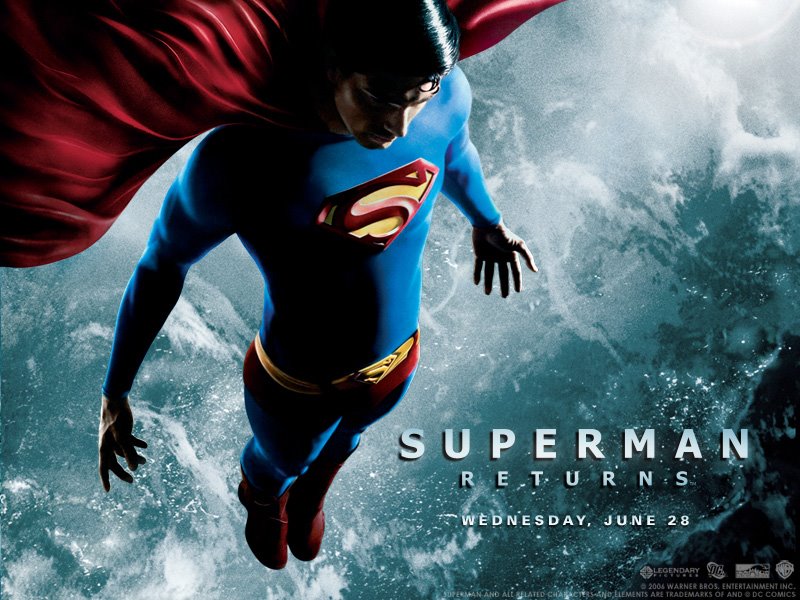 這是我第二次進到I-MAX的電影院. 上次只不過是看看澳洲的風景影片, 這次很傻的去挑戰超人.
這是一個凹球面狀的白色I-MAX螢幕, 相當優雅,人則是在這個凹面的正前往上一排排的坐著.
電影開始前, 戲院播放了一段相當小巧可愛的展示I-Max的小片段.
燈光從螢幕的後方一區區亮起, 螢幕瞬時轉為半透明的白色紗狀, 內部的喇叭以及木條支架的結構們分區若隱若現, 而螢幕上則映出實體白色的箭頭和簡單的字樣指示著各構造, 漂亮簡潔的視覺效果, 配上解說以及音效, 讓現場觀眾眼睛為之一亮, 不時發出此起彼落的小聲驚呼, 甚至有人在demo 完開心的發出呼叫以及鼓掌聲.
接著, 超人就來登場了.
首先看到的, 是一段文字, 靠近整個球面的中間, 嚴格的說, 是好幾條彎彎的排的字們, 你必須來回把頭從最左邊轉到最右邊好幾遍, 才勉強在字消失前的時間內看完超人身世的簡介. 我與朋友們不幸因為太晚進場, 坐在第二排的位置, 也就是說, 在很低的球面前面, 把頭要抬很高那樣...字出現幾秒鐘之後, 在全場忙碌左右擺頭有點不能相信又有點不願認輸的靜默中, 高處有一兩個女人, 笑出了聲, 是在喝采優雅I-MAX不久, 還抱著新奇感卻又體悟到某種荒謬的笑.
然後你完全可以想像, 等一下會有怎麼樣扭曲的星球們飛過來, 尤其是在複雜空間的時候, 可以觀賞到的因為立體凹面所造成的異象.
同一排的觀眾開始往上尋找還有的一兩個空位, 我們也掙扎著到底要不要往上換. 這個當時, 又有兩個人從我們那排的中央走出來, 我們正要商討是否往上走的那一刻, 剛那兩個人居然已經走到走廊並且是往戲院出口的下方, 走去並消失了. 目睹這一幕後, 我們似乎有點沒有考慮的馬上互相點頭起身, 離開的第二排並且往上開始找位置.
Superman Returns 好不好看呢?
在接近戲院最高的地面上, 仍然仰頭觀瞻坐了一個多小時後, 我必須說...還好, 超人真的很可愛, 又很帥.
Thursday, May 04, 2006
Lost in Translation
Director: Sofia Coppola
One interesting thing in the movie is about the communication between the Japenese director ane the leading actor. It seems that the director talks a lots to the leading actor. However, the interpreter just repeats the same simplest "gist" for the actor - more passion - again and again. Though the leading actor doesn't know actully what should be done, he still has to complete his performance. Such situation makes me think about my everyday experiences now.
Living abroad, I lose lots of implications of information around me. Translation in my brain is so fragmental. Yet I still have to react to what others talk to me, and have to make decision based on those information. I am so curious that whether I perceive is what it should be. But anyway, you can't think to much and have to view what you perceive as the truth of the world ... Until someday, you may find you are totally wrong... and what others think about you is also far from what you are...Ha
Wednesday, May 03, 2006
A book about the brain
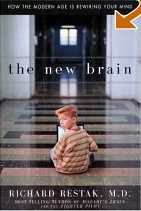
Some thoughs derived from reading the book "The New Brain: How The Modern Age Is Rewriting Your Mind"
1. It is a little terrified to know that it is today’s media and technology such as TV carrying visual messages varying from minutes to minutes that result in more and more population of ADHD/ADD. By Darwin’s survival of the fittest, I wonder whether the evolution of our brain can catch up with the speed of continuously increasing technologies around us. We have been worried since industrial revolution that one day we may no longer survive on the earth because of our damage to the nature. However now, I am also thinking about whether finally we might kick ourselves out of the survival because of the artificial environment built and persistently “improved” by ourselves.
2. It is interesting to know that an expert has to counteract the natural impulse to gain automated performance as soon as possible when learning and training themselves. The expert definitely does lots of practice. Yet rather than just repeat the same thing again and aging, he does deliberate exercises to adjust each aspect to improve the whole performance. I think this is a powerful discovery because it provides the methodology for people who want to master with something. We might not become an expert or genius, but we definitely can use the strategies to effectively improve ourselves.
3. I think that the discovery that some violent or anti-social behaviors may result from the defective genotypes will impact our moral and lawful considerations for each person, especially criminals in the future. It is clearer than ever that those who have deficiency need helps rather than punishment. One the other hand, we now also have evidence that frequent exposure to graphic scenes of violence will change human brain in harmful ways which may result in the reproduction of violent behaviors. This finding also implies that punishment to people with violent tendency is meaningless. To decrease social violent events and crimes, rather than give punishment or committal, we should focus more on preventing people, especially children from exposure to violence, and we also have to keep in mind that some people might be suffering from the inborn deficiency.
4. The Indian master Osho suggests people to laugh more often for healthier lives – not only laugh when we hear funny things but just consciously move our muscles around the mouth to “laugh”. Osho’s comment is quite reasonable if we consider the so-called “pleasure pathway” mentioned in the book - laughing will result in our brain’s activating the “pleasure pathway,” which give us an inner sense of well-being. As for the exercise of conscious laugh which is controlled by us, I think it also highly possible works because the “happy patterns” stored in our brain must connect with all of our related emotions and behaviors so that the behavior itself could be able to activate the happy patterns, too.
5. New discoveries about the brain have provides us with whole new insights into our behaviors, thinking and feelings. I think this twenty-first century scientific revolution is a little different from the previous scientific revolutions in western history. Before, people were challenged by scientists such as Copernicus and Darwin mainly because those scientific discoveries conflicted with common belief in God. However, nowadays what confuses people may not be the belief in God but the belief in people ourselves. We have known that our daily behaviors are not so dominated by our consciousness as we thought before. This uncertainty really surprises and probability scares us. Will the discoveries push us into introspecting ourselves and being more humble for what we have done and more considerable about what we are going to do?
Wednesday, April 19, 2006
 校園附近已經開了很多很多花好一陣子囉.
Thursday, March 23, 2006
Piaget & new research on human early brain
1. The sequence of children’s qualitative change in cognition structure described by Piaget’s four stages of cognitive development is consistent with the chronological order of development of brain’s different areas concerning specific functions. Brain develops in the order: Brainstem -> Diencephalon ->Limbic -> Neocortex (down to up; back to front; inner to outward). Moving outward towards the Neocortex, complex functions increases: Brainstem controls survival-related functions; Limbic system stores emotional information; and Neocortex developed latest controls abstract thoughts. As Piaget’s observations, children at first use their sense and body (motion) to know and learn about the world, and then the operation become more and more complex and abstract across different stages. The formal operational stage in which children have ability of abstract thinking and hypothesis must be the last stage for each child.
2. In Piaget’s cognitive development theory, cognition and language are closely intertwined. Piaget regarded language development as a part of the children’s cognitive development, and he viewed language as an essentially a development of children’s ability to manipulate symbols, which is the typical characters of preoperational stage one has to reach before entering the next concrete operational stage. The research on the case of one 7-year-old girl discussed in the class last week indeed illustrated such relationship between language and cognitive development by inspecting her brain. This girl cognitive development was much later than other children with the same age. When she was an infant, she spent most time alone without others’ emotionally interacting and talking with her. Research found she can’t speak very well, and through the CT scan, they found the evidence that the areas of language and emotion are obviously under development than normal brain of other 7-year-old children. The early deprived-language experiences results in the lack of language development of brain, which affect her cognitive development.
3. In Piaget’s theory, the child actively organizes his mental system in each stage. Piaget suggested that children should be exposed to enriched environment and activities corresponding to how their schemes work in each stage. For example, in sensorimotor stage, a child will need to see, to touch, to listen, to move, etc. New research that the brain forms actively and uniquely is consistent with Piaget’s theory. Moreover, new brain research especially demonstrates the importance of early development stage because brain growth and development is so profoundly "front loaded" that by age four, a child's brain is 90% adult size. Dr. Bruce Perry indicated that a child is most likely to reach her full potential if he experiences consistent, predictable, enriched, and stimulating interactions in a context of attentive and nurturing relationships with aid by many relational interactions (Dr. Bruce Perry)”. There have been evidences that the sensory-deprivation neglect will make the brain significant smaller and results in abnormal development of cortex, and impede the further cognitive development. Such evidence also supports Piaget’s view that a child’s readiness affects the promotion of cognitive development. On the other hand, in brain research, the emphasis on interaction with other people also supports Piaget’s view that social interaction is essential for cognitive development.
4. In Piaget’s theory, a child developmentally adapts the environment by assimilation and accommodation concerned with adjusting the existing schemes (mental structure). We can find the corresponding biological structure change in the brain. The brain with billions of synapses, which are crucial to the biological computations that underlie perception and thought, pre-wired when the baby in mother’s uterus. After born, our interaction with environment shapes the brain’s biological structure-synapses are use-dependent so only the synapses used will be preserved, and it’s highly probable that the dendritic spine develops different kinds of shape according to different behavior and mental activities. The new brain research provides us how the actual biological structure actually changes corresponding to the change of mental structure conceived by Piaget. New brain research also indicates a new rule-our brain is tend to conserve energy. The less experiences we have in the early child, the less connections and structures we will have. Such observation also Piaget’s suggestion that we should provide enriched environment for children’ learning.
Saturday, February 25, 2006
記e點靈停播
你知道我聯想到的, 居然是電影裡經常處理揮別青春的橋段與畫面, 一堆高中死黨要畢業前那種繽紛喧鬧嘻笑, 一種在某種組合且恰到好處的時空所創造的珍貴.
在現實的青春學生生活中, 我從來沒有經歷過那樣的揮灑以及明確斷裂的轉捩點.
另一個現實是, 我明明已經在形式上畢業於我生命與你們緊密共享的那個階段, 但我還沒好好的跟它說再見.
站在這裡面對著嶄新的開展, 我想說,感謝你們給我的青春, 以及 甘願的告別.2006.2.23
--
[註一] "只要我們還在, 就是我們的時代" (我沒記錯吧)

