Thursday, May 17, 2007

volver by Almodóvar

女性朋友們就那樣不認為自己需要知道誰死掉或發生甚麼事情的
幫她把那個裝了企圖強暴她女兒最後被女兒殺死的老公屍體的冰櫃搬上車
其中一個人甚至接受了酬勞以及這特殊的信任幫忙埋藏了冰櫃在那已死之人最愛的河畔

熟睡在床的一對情人他強暴了自己的女兒她則不是他的老婆
知情了自己女兒被強暴的妻子在這個風狂大的夜裡放火燒了床上的兩人
這不為外人所知的隱情包括了強暴與偷情搭配上終年刮的強風
最後的結局是有人以為死的是自己的父母有人以為自己的母親在那個夜裡離家失蹤

死亡是生命眾相中的一鮮少驚動人們
偶爾會被提及的是男人命短

Monday, April 16, 2007

book review: the public assault on america's children

Polakow, Valerie (Ed.). (2000). The Public Assault on America’s Children: Poverty, Violence and Juvenile Injustice. New York: Teachers College, Columbia University.

228 Pp.
$ 54.00 (hardcover)
ISBN 0-8077-2984-7
$ 23.95 (paperback)
ISBN 0-8077-3983-9


In The Public Assault on America’s Children: Poverty, Violence and Juvenile Injustice, the editor and contributors discuss what a violent society against children has been gradually formed through the social policies and political discourses during the 1990s and what this means for children who grows up in such society. Several forms of violence against children– the violence of poverty and homelessness, the violence of environmentally induced childhood diseases, the news media and legislative criminalization of children, and the more and more incarceration of youth offenders or trouble makers – are marked in the book. By examining these violent factors and their implications, the book successfully delineates how the way a society treats people and its consequences could make a vicious circle, and what might be the key to stop it.

The book begins with the editor, Valerie Polakow’s introduction, “Savage Policies: Systemic Violence and the Lives of Children,” which points out how the “welfare reform” starting since 1996 has been deteriorating the lives of poor children. Polakow shows the dilemma a poor parent has after the reform that s/eh has to choose either a job with an incredible low wage below the poverty line (which cannot afford the basic living including the fair quality for child care) or the destiny of being kicked out from the list of welfare subsidy. Such poverty situation makes lots of children – most of them are minorities – marginalized by the whole society due to their deficient developmental environment, and finally, criminalized by the strict attitudes and treatments due to the policy such as Zero-Tolerance after their entering schools. These discussions give readers a simple but clear background for the issues in the following chapters. Polakow then ends the instruction with a description of organization of this book.


The main body of this book includes three parts. Part I, “Poverty, Violence, and the Lived Realities of Children” has four chapters. The contributors here give discussions of what ideologies and philosophies historically inherent in American society and underlying contemporary social policies and discourses regarding poverty, single mother and children make the United States a nation, in which the citizens choose to turn away from “other people’s children.”


In chapter one, “A Crucible of Contradictions: Historical Roots of Violence Against Children in the United States,” the author Barbara Finkelstein discuss those “honored” religious, political, and socioeconomic traditions in the American society regarding the justice of individuals right and the role of a responsible mother have turned to the selfish beliefs of privatization and no necessity to give mothers with difficulties any help. Chapter two, “Poverty and Environmentally Induced Damage to Children,” continues to discuss the relation between poverty and environmentally induced damages which torture poor children’s lives. The author Sue Books points out that the public tends to attribute these children’s miserable destinies to their despicable poor parents who lack morality and are unwilling to take responsibility for the children. However, she argues that making these children to be exposed to those dangerous factors cannot be merely seen as an unfortunate and blamable “fact.” It is the inevitable consequence of the systemic violence within the society, and the unjust social policy of the welfare reform has been deteriorating such situation. In Chapter three,” Poverty and Youth Violence,” Vorrasi and Garbarino further uses the term “social toxin” to describe risk factors existing in the society which would impede children’s development. These factors include perceived economic inequality, exposure to family violence, participation in the illicit economy, and poverty, which the authors regard as the factor “reigns superior to most other individual risk factors with respect to having the ability to catalyze dysfunction.”


After discussing the damages due to physically environment, Chapter four, “Framing Children in the News: The Face and Color of Youth Crime in America” focuses on the violence of news media. The author LynNell Hancock uses a murder case to examine the news media’s role in shaping the public’s fear of children, especially for the minority, black or Latin boys. In July 1998, an 11-year-old girl’s body was found in one of Chicago’s most crime-addled neighborhoods. Two black boys, ages 7 and 8, are accused to murder this girl for her bike. In the beginning, the public was surprised at that the suspects were such two little boys, but then they turned to believe the possibilities. The tone of “anything possible” was filled the air. The Los Angeles Times used “the end of innocence” in the headline of its first-day editorial; the Chicago Sun-Times said that “more and more we are seeing child play replaced with predatory behavior.” The two little suspects are brought to the court, treated as adult criminals. Yet, finally, the truth turned out that it’s NOT these two black little young man killed Ryan. Hancock gives his observations and discussions of how the news Media had been working on “prepare” the whole society to believe such unexpectedly brutal crimes were committed by no longer innocent children or the so-called new breed “superpredator” – especially by black boys coming from a poverty area. Finally, he proposes suggestions of possible changes for the media environment to turn the tide.


Part II, “Schools, Violence, and Zero-Tolerance Policies,” focuses on how the previous discussed social environment and attitudes toward children influence the way schools treat students and its consequences. In chapter five, “America’s Least Wanted: Zero-Tolerance Policies and the Fate of Expelled Students,” Sasha Polakow-Suransky reveals the contradictory value between the old common-law doctrine of parens patriae (which provides the legal foundation for America’s public education system to all children) and the Zoro-Tolerance Policies (which punishes and expels students who bring anything “deemed” dangerous stuff to schools, without any alternative education). The author use statistics and a case study to reveal the difficult position students have after leaving schools. The data also shows that the expulsions of the minority students are disproportionate – the average American population was 39.8%, yet African American students accounted for 64% of the total expulsions. Treated like this, these minorities kids are not only exclude by the schools but by the whole society because it can’t be argued that education is the only way these children can reverse their inferior position in the social structure.


Another chapter in Part II, “Listen First: How student Perspectives on Violence Can Be Used to Create Safer Schools,” Pedro A. Noguera argues that increasing the security guards under the Zero-Tolerance policy which aims to expel violent or “potentially violent” students from schools won’t decrease the fear of other students, parents, and teachers. Because the feeling of safety within the schools or around the community people live needs to be built on human relationships regarding understanding, care and respect. Noguera’s research results suggest that schools appear less feelings of fear when children trusts adults who have the ability to solve problems and protect them actively rather than just move the trouble from schools passively and usually neglect some existing trouble that the children have to resolve for themselves.


The final Part III, “Juvenile Injustice” concludes this book by the discussions of the phenomenon that “more significantly, beneath the rarely occurring but dominant focus on youth homicides, normal youth behavior and misbehavior became further criminalized, all in the name of safety” in chapter seven, “Look out, Kid, It’s Something You Did: The Criminalization of Children” by Bernadine Dohrn. And, in chapter eight, “Throwaway Children: conditions of Confinement and Incarceration,” James Bell points out the confinement and incarceration inflicted on the students who are “demonized” in the United States violates the international convention regarding children’s rights. Moreover, it’s unacceptable that juvenile facilities don’t provide any adequate “individualized and comprehensive interventions that hold young people accountable and help give them the necessary personal, educational, and technical skills designed to help them make the transition to becoming responsible adults.” All we can see is only segregation with punitive, retributive, and distrust attitudes. Bell calls for the changes of the treatment in the juvenile institutions.


If you have seen the documentary “Bowling for Columbine” directed by Michael Moore (2002), the issues discussed in this book wouldn’t be unfamiliar to you because the aspects they reach and the main concern are very similar. However, I think the following two features make this book unique. First, the discussions in all chapters successfully keep children in readers’ mind – how they might suffer and what alternative treatments the society could give them. The depiction of poor families and children’s real lives at home, in schools, and institutions force the readers to see and think beyond the facts. Second, there was some valuable research and case studies done. The study of students’ perspectives on Violence in Chapter six is one good example. Such inquiry not only uncovers children’s view, which was seldom seriously valued and seen, but also provides evidence that the related policies need to be changed.


Who should read the book? If you are a teacher or at a position working with children in the United States, reading this book would help you have an insight into the violent world your students face everyday. Knowing better about how the current policies decelerate a “potentially violent” student’s situation could help you have more thoughts of what situations you have to deal with and what alternative actions you might take. For parents, this book could give you a picture what your children might face in schools and the ability to judge whether teachers and schools are doing the right thing to your children. As for those who have few experiences to get along with children or have the feeling of fear toward children born in our era, this book could help you inspect where the fear from and to gain some ability to examine the structural problems existing in the society. Finally, for all policy makers and politicians, this book gives a clear warning that how the American society are sacrificing its future – the child – due to the decisions made and are going to be made.

Tuesday, April 10, 2007

Book Review: Thinking Points


Lakoff, George. (2006) Thinking Points: Communicating Our American Values and Vision. New York: Farrar, Straus and Giroux.

176 pp.
$10 (paperback) ISBN 0-3745-3090-4

In Thinking Points: communicating our American Values and Vision, the author George Lakoff opens with an explicit expression of intention for this book– the book is to call on grassroots Americans to act for re-leading the United States to the way based on its inherently “progressive” values such as common wealth for common good, diversity, and tolerance. In the introduction “why we write,” Lakoff points out that the radial, authoritarian right wing that refers to itself as “conservative” has been dominated the United States for decades. Conservatives act as if they are the ones who are devoted to preserving and promoting American values. However, their values are contradictory to the “traditional” American values which made the United States a respectful and just nation. In this book, Lakoff attributes conservatives’ success of leading the United States to their being good at communicating with the public. By illustrating how language and moral framing can be effectively used to communicate with the public, Lakoff and the Rockridge Institute call upon grassroots progressives to trumpet their values by using good strategies so that they can give progressive politician strong backings to reverse the trend led by conservatives.

As a book aiming to speak to the public, Thinking Points is an easily read handbook. Lakoff uses concrete examples to illustrate his points, and he provides “frames” for readers to have an insight into what progressive and conservative worldviews are. Lakoff also provides “frames” for reformers, strategists and advocators to learn how to frame their issues and use strategies to initiate progressive changes. The contents in this book are well-organized into eight chapters. The author doesn’t group those chapters into different sections. Yet according to its content and structure, it can be viewed as having three main parts.

In the first part – from chapter one to chapter three – Lakoff provides a discussion for the phenomenon of why conservatives keep winning and why progressives keep losing campaigns and failing in leading political discourses. Chapter one, “Winning and Losing,” compares and contrasts the different ways progressives and conservatives communicate to people. Borrowing Richard Wirthlin, chief strategist for former president Ronald Reagan’s discovery, Lakoff concludes that people will vote for the person who tries to communicate them with value (as conservative Reagan did) rather than issues or a laundry of programs and policies (as most progressives do). Lakoff further proposes twelve traps progressives hole which make them lose votes.

In chapter two, “Biconceptualism,” Lakoff argues there is no so-called “center.” By “no center,” Lakoff means that there is no absolutely conservative or progressive voter. Everyone having conservative beliefs in some aspects would hold progressive values in other aspects. The common strategy progressives use to attract voters is shifting from left to a little bit right, or being moderates. By doing so, unfortunately, progressives lose their votes from the left due to lack of authenticity and they won’t get extra votes they expect from the imaginary “center” eventually. Conservatives never shift their positions – they stick to their values so voters can identify them and feel they are trustworthy. Lakoff argues that the only way to win more votes for progressives is to activate those common progressive values hold by both of progressives and conservatives without the sacrifice of moral authenticity.

After emphasizing the necessity of communicating values authentically to the public, in chapter three, “Frames and Brains,” Lafoff further draws on research discoveries regarding how the brain operates to explain how important the use of frames is. He suggests that human beings use frames to facilitate our understanding of this world. Such use of frames is usually implicit so we are not even aware of this. However, the activation of some specific frames rather than others would dominate our understanding and thinking toward one thing. Lakoff points out that “over the past thirty-five years, conservatives have spent more than $4 billion constructing a system of dozens of think thanks and training institutes, staffed by right-wing intellectuals. They have managed to dominate the framing of issues and have profoundly changed American politics in the process.” For example, using “the war on terror,” conservatives successively invoke people’s implicit frame regarding war. Such an implicit activated frame makes people naturally rationalize what happens and serve politicians as a foundation to justify their actions no matter whether it’s adequate to declare war to the terrorists and whether the war can lead to satisfying solutions for protecting the United States.

However, most progressives don’t know the necessity and power of using frames and have no sense of conservatives’ use of frames. Progressives are usually rationalists who believe human beings always be able to judge things by logical reasoning. As a result, Progressives seldom consider framing when communicating their arguments with people, and they don’t know how to re-frame what conservatives articulate. In chapter four, Lakoff explicitly discusses several kinds of frames and gives examples to illustrate how progressives can break conservatives’ frames by replacing the frame embodying progressive values.

In the second part, Lakoff starts to focus on addressing the different moral and political philosophies hold by progressives and conservatives. Chapter four, “the Nation as Family,” presents how Americans’ political beliefs are structured by their idealizations of the family. Conservative morality, like the strict father model, centers on authority and control; progressive morality, like the nurturant model, emphasizes empathy and responsibility. Such differences lead progressives and conservatives to different principles and arguments for all kinds of political issues such as poverty, terrorism, and also the market, which is especially discussed in chapter five, “Morality and the Market.” It’s impressive to see how relevant the personal idealized family model and moral and political philosophies would be. And the amazing thing is that holding so different moral systems, conservatives and progressives would have totally different definitions for the very common terms we use today which might be view as “universal values” – freedom, equality, responsibility, integrity and security. Lakoff calls those concepts above “contested concepts” in the chapter six, “fundamental values.” He gives a discussion of why people can mean different things when they use the same words. Finally, in the last part, Lakoff gives examples of how progressives should use strategic initiatives to lead long-term changes in chapter seven, “Strategic Initiatives” and make their arguments in chapter eight, “the Art of Arguments.”

Although this book is written to speak to Americans, it’s worth reading for anyone who is interested in learning how to act for your faiths and values because Lakoff gives not only the contextual examples regarding American political environment but also the general principles of making good arguments and use of strategies. Besides, the progressive Americans values Layoff discusses are not particularly belonged to the United States. Anyone who has such progressive values can use Thinking Points as a reference to examine her/his underlying value systems and to examine whether her/his actions are consistent with beliefs and intentional goals. Finally, the United States now is an aggressive nation in the world which has power to intervene in international affairs and even enact and call on a war. By reading such a book, “foreigners” who would like to cooperate or negotiate with the conservative-dominant American government would have a better understanding of how those politicians believe and think. Also, as the American “dominant culture” has been constructed in other nations intentionally by the United States or spread more naturally to different places all over the world, Think Points provides people outside the United States who want to “learn” from American a chance to examine what implicit values underlying concepts and policies they would bring into their society, and what consequences their actions might have.

Saturday, January 13, 2007

It smells..

在台灣, 許許多多在雜貨店五金行就可以買到的,便宜又實用的乾貨還有日用品, 在美國要不是很貴就是變了樣貌, 再不然就是看起來有點恐怖(例如不知道從哪裡來的乾貨). 或許是心理作用, 那些錯落在台灣城市鄉村的雜貨、五金行所賣的東西, 是那麼的令人安心而沒有辦法忘懷, 哈.

為了得到一些從台灣來的乾貨食材還有用慣了的一些用品, 於是室友列了一個清單請她媽媽從台灣寄來, 原來室友的估計是, 讓它坐船來, 大約一個月後到, 反正都不是急用的東西, 坐船比較便宜. 電話裡面跟媽媽講好了要去郵局怎麼寄, 並且來來回回又刪掉一些不能入關的食品的名單, 終於包好一整包寄出來.

在這位室友媽媽宣布寄出的隔三、四天後的傍晚, 另外一個室友在信箱裡面發現了一個郵局留下來的小單, 上面說我們有個太大的包裹, 因為塞不進去信箱, 已經被拿去管理員的辦公室了.

室友感到非常的詭異, 左思右想想不出來, 為什麼她在這個時候會接到那麼大的包裹, 難不成是媽媽寄了超級貴的快遞, 那些乾貨用品們迅速的就到了. 那天因為天已經黑了, 辦公室也關門了, 我們決定隔一天找個時間去辦公室看看是甚麼東西.

隔一天我一早就出門去學校了, 室友則在忙碌她的功課, 約好下午再去把大包裹弄回來.

正當室友正在忙碌她的功課的時候, 居然接到了辦公室的電話, 通常辦公室都不會主動打電話來通知人去領郵件, 室友因為正在忙著功課, 就說, 那晚點去拿, 並且確認辦公室會幾點關. 這時候辦公室的人有些揣揣不安而禮貌性的試探說...你的包裹, 它已經開始發出味道了....我們雖然是下午五點關, 但是, 可否早些來拿...

室友一驚, 趕緊馬上穿上衣服, 奔向辦公室去.

我下午回來的時候, 一進門走到書桌旁邊, 就驚見怎麼地上多了一個正在傳出相當相當濃郁的...乾菜脯味道的...大包裹-.-


打開包裹, 媽呀, 雖然都是室友所點的乾貨們, 但是數量超過我們的想像, 雖然整體的體積不至於太過龐大, 不過, 這些乾貨要不是泡了會長大就是鹹的程度一次只能吃一點點, 還有光是乾紫菜就有三種不同的款式!!! 至於那鹹鹹的味道 還不只是乾菜脯, 還有蔭豉, 還寄了中藥補品. 我們一邊讚嘆一邊笑倒在地, 想說美國人大概嚇壞了吧, 他們恐怕懷疑這裡面是甚麼壞掉臭掉的東西, 味道已經飄散在整個辦公室, 因為他們根本就不知道有菜脯這種東西, 沒辦法待在臭掉的辦公室只好破例打電話來給我們....

於是我們就決定為這些驚人的乾貨用品照一張相.


照完了以後很滿意的開始想要怎麼安置他們的時候, 忽然想要確認一下那些中藥的補品是怎麼回事, 因為看起來有盒裝的, 還有拆封放在外面, 於是, 我們就把兩個盒裝的看起來有點縐折的中藥包裝打開, 媽呀..居然裡面不是中藥啦, 是醃貨又一品....榨菜....再打開另外一包中藥包裝, 同樣也是榨菜包擠在裡面. 可是, 其他乾貨用品們都已經照完合照了, 我們只好為這個榨菜還有佯裝的包裝單獨的照一張, 並與室友邊爆笑邊想為什麼她的媽媽不把拿出來的中藥好好放在中藥包裡面, 要把中藥拿出來然後塞進榨菜來, 反正整箱還有很多空間, 不用這樣擠來擠去吧....

總之, 我們得到了完全超出預期數量的乾貨, 讚嘆之後, 開始令人擔心, 他們無法一直保持新鮮到我們可以吃完的那一天.

Sunday, December 31, 2006

Biosphere 2

寒假裡一天的tucson之旅來到一個叫做 Biosphere 2 的地方。這是為了實驗人類是否可以創造出一個自給自足封閉的生態循環圈而建造的。可以說,想要靠著設計來創造一個人工的小型地球生態圈,或許目的是為了太空移民、或是為了將來地球災難時,人得以有居住的空間。目前實驗在這裡已經終止了。過去曾經有兩批科學家進到裡頭去,頭一回八個人住了2年,第二回不曉得幾個人住了6個月。

入口處是一個小小的門,一進去以後看到的是一間廚房還有一些房間以及實驗設備,之後就去參觀他們所建造出來人工的熱帶雨林、沙漠、以及海洋。很可惜沒有能夠參觀他們生產食物的那些農地,我想應該是因為實驗已經終止,不需再生產食物和維繫,那一區荒廢了吧。

第一站來到很熱的雨林,濕氣加上溫度對於身穿毛衣而完全沒有被警告的我們來說,簡直是酷刑,還好外套已經脫在停在停車場的車子上了,心裡想著希望快點離開那區的時候,不幸的隊伍走到一半就停下來了,原來是導覽員要開始說明了。

其實並不會很想要聽甚麼,因為濕熱已經讓有些人的眼鏡霧茫茫,我的相機也都凝水了,有人的額頭還滲出汗來,最重要的是,帶著我們參觀的導覽員,還沒拿起麥克風的時候,講的英文都好好的,結果一拿起麥克風,不知為啥就會轉成怪異的英國腔,好像感覺自己是在錄製導覽錄音帶那樣的怪腔怪調的假正經,有一種偶爾才會聽到一兩個熟悉的字從濕熱的空氣震動中被我的耳朵理解到的感覺。

離開了那個地方以後,我們便進入了所謂的沙漠區,我想是因為本來就在沙漠生活了一年,雖然感覺熱,也感覺還算習慣,終於額頭上的那些汗就在導覽員又在那裡高腔高調的敘述的時候蒸發得差不多了。

接下來又到了地底去看水怎麼循環利用,還有冷卻空氣的設備,這個導覽伯伯就那樣一聲不響的自己拿起綁在腰間的毛衣和大衣穿在身上,這種毫無預警的又冷又熱難道是導覽原故意製造的一些樂趣?總之大家就在那裡後知後覺得穿脫穿脫。

寒冷區的導覽結束以後,這趟旅程戲劇化地在我們毫無心裡準備的之下,忽然被這位導覽伯伯帶出了一個白色小門,剎時就出了這個biosphere然後關上了小白門,那一刻忽然有一種,阿,已經再也不能進去看看的感覺,雖然其實也沒有想再多留戀的。

最後,到了海洋的展示區,實際上是已經出了那人工的生態區,不過展示的區域有透明的玻璃可以看到裡面海洋的生物,以及一些另外建造的展示櫥窗。這一區對我來說印象最深刻的就是珊瑚。我看到了海底有一層地毯珊瑚,他們淺咖啡色一個個小小的擠在一起,連成很大的一片,隨著波浪前後的矮矮的大家一起搖晃,不只是表層,連下面可能是已經死亡的珊瑚或是土壤也會跟著整層晃動起來,表層的珊瑚往左,下面不見得會往左,總之就是軟軟的在那裡一層層左右的晃動,有時候大家還會一起停下來一瞬間,然後繼續擺動。

另外在一個櫥窗裡頭,我第一次看到發著螢光的珊瑚,有一個珊瑚(左下前方)像是岩石,但仔細一看居然還那樣軟軟的動來動去著!最後,還看到了很可愛的史前時代一些珊瑚可能的樣子,模型做的非常的可愛,哈。


寫到這裡,我想起我本來這篇post的主軸,是要記錄一些關於這個biosphere最後實驗失敗的想法,如今已經可愛成這樣,沒辦法轉型了-.-

Thursday, August 31, 2006

有一刻我忘了什麼

今天, 我跟一個韓國同學走在走廊上, 聊著天.
當然是用英文因為我不會韓文, 他也不會中文.

我們正說到某一件事情是不是要去找某個秘書,
結果我想了幾秒以後, 居然咕嚕嚕的講說:
「阿 是不是那個短頭髮的那個秘書」,一邊還
比劃著, 這時候我的韓國同學睜大了眼睛一直
看著我. 我還渾然不知地繼續說著, 然後他終
於說話了:「I am korean」,這時候我才驚覺
我完全沒有意識的說著中文呢 ..

Monday, July 10, 2006

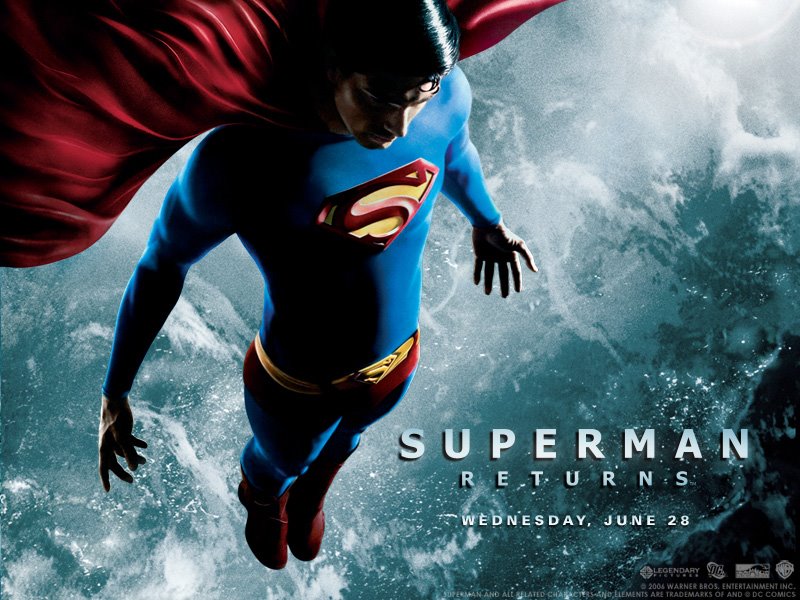
我看超人

這是我第二次進到I-MAX的電影院. 上次只不過是看看澳洲的風景影片, 這次很傻的去挑戰超人.

這是一個凹球面狀的白色I-MAX螢幕, 相當優雅,人則是在這個凹面的正前往上一排排的坐著.


電影開始前, 戲院播放了一段相當小巧可愛的展示I-Max的小片段.

燈光從螢幕的後方一區區亮起, 螢幕瞬時轉為半透明的白色紗狀, 內部的喇叭以及木條支架的結構們分區若隱若現, 而螢幕上則映出實體白色的箭頭和簡單的字樣指示著各構造, 漂亮簡潔的視覺效果, 配上解說以及音效, 讓現場觀眾眼睛為之一亮, 不時發出此起彼落的小聲驚呼, 甚至有人在demo 完開心的發出呼叫以及鼓掌聲.
接著, 超人就來登場了.

首先看到的, 是一段文字, 靠近整個球面的中間, 嚴格的說, 是好幾條彎彎的排的字們, 你必須來回把頭從最左邊轉到最右邊好幾遍, 才勉強在字消失前的時間內看完超人身世的簡介. 我與朋友們不幸因為太晚進場, 坐在第二排的位置, 也就是說, 在很低的球面前面, 把頭要抬很高那樣...字出現幾秒鐘之後, 在全場忙碌左右擺頭有點不能相信又有點不願認輸的靜默中, 高處有一兩個女人, 笑出了聲, 是在喝采優雅I-MAX不久, 還抱著新奇感卻又體悟到某種荒謬的笑.

然後你完全可以想像, 等一下會有怎麼樣扭曲的星球們飛過來, 尤其是在複雜空間的時候, 可以觀賞到的因為立體凹面所造成的異象.

同一排的觀眾開始往上尋找還有的一兩個空位, 我們也掙扎著到底要不要往上換. 這個當時, 又有兩個人從我們那排的中央走出來, 我們正要商討是否往上走的那一刻, 剛那兩個人居然已經走到走廊並且是往戲院出口的下方, 走去並消失了. 目睹這一幕後, 我們似乎有點沒有考慮的馬上互相點頭起身, 離開的第二排並且往上開始找位置.

Superman Returns 好不好看呢?

在接近戲院最高的地面上, 仍然仰頭觀瞻坐了一個多小時後, 我必須說...還好, 超人真的很可愛, 又很帥.